Every growing tech team hits the same wall at some point. A deadline is closing in, the sprint is half-staffed, and the two engineers who could handle the problem are already overloaded. The instinct is to open a job requisition, but a standard hiring cycle takes eight to twelve weeks on a good run, and the project cannot wait that long.

As we approach 2026, businesses worldwide are bracing for a new wave of privacy regulations designed to enhance consumer data protection. These laws, while crucial for safeguarding personal information, bring a complex set of compliance challenges that vary across regions and industries. For organizations operating in the B2B sector, the key question is how to adapt to these changes without sacrificing operational efficiency or innovation.
As e-commerce continues its rapid expansion, the sophistication and volume of fraudulent activities are evolving at an unprecedented pace. Industry forecasts indicate that by 2026, global losses from online fraud will surpass $48 billion, marking a steep increase from $32 billion in 2022. This surge underscores the urgent need for e-commerce brands to bolster their fraud-prevention strategies with cutting-edge technologies. Without proactive measures, businesses risk not only financial losses but also irreparable damage to customer trust and brand reputation.
The way people communicate has changed more in the past decade than in the previous century combined. From encrypted messaging apps to AI-powered virtual assistants, digital communication tools have woven themselves into the fabric of daily life, both professional and personal. But as these technologies grow more sophisticated, so do the questions surrounding them. Who owns your messages? Where is your data stored? And perhaps most urgently: who else can read what you write?
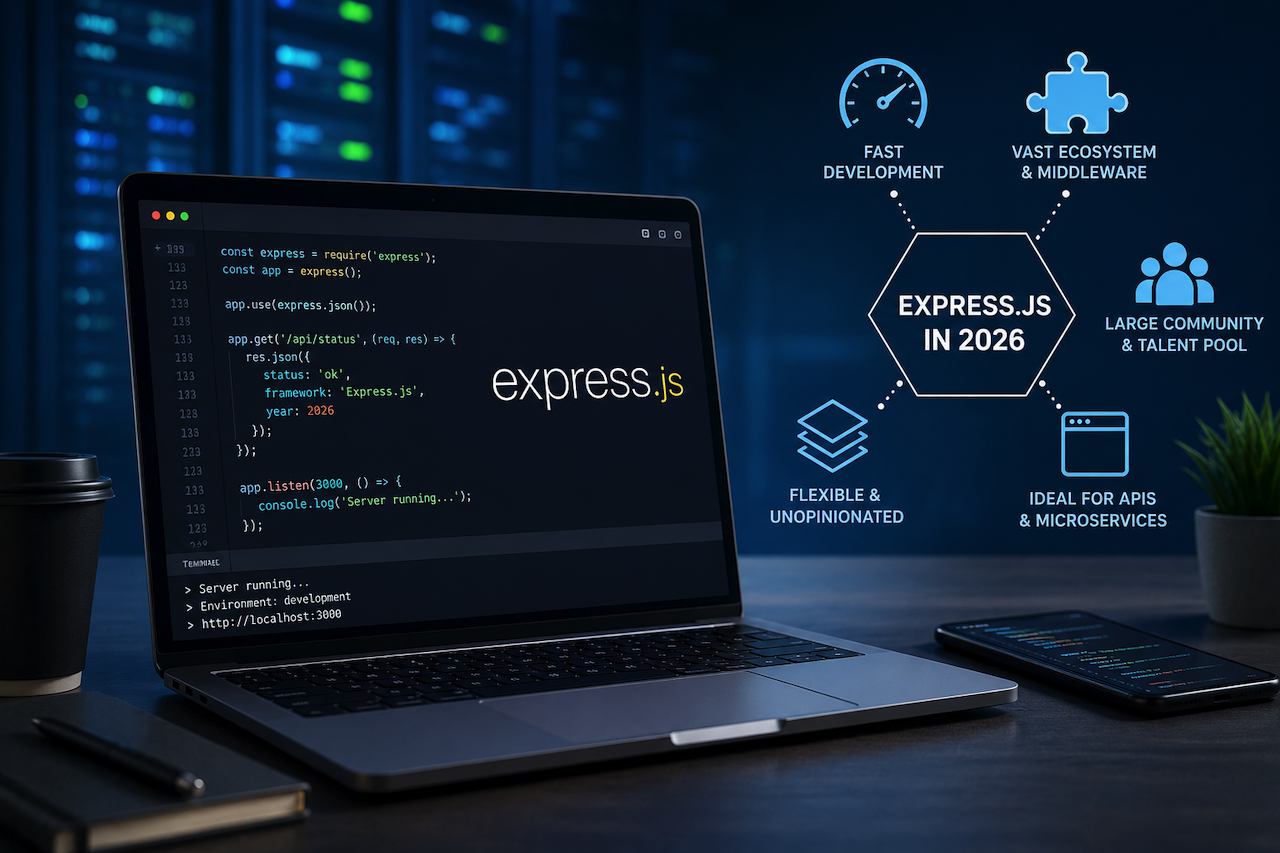
The world of web development is changing rapidly. In 2026, the JavaScript and Node.js ecosystem offers a multitude of modern solutions. Among them are the high-performance Fastify, the architecturally rigorous NestJS, and new runtimes like Bun and Deno. Against this backdrop, Express.js may seem like an industry veteran. This raises a question for businesses and CTOs: Is this framework still relevant today, or should it be retired? The answer is clear: the technology is still going strong. In this article, we will analyze Express.js in 2026, examine its advantages over competitors, and identify commercial scenarios where it remains the optimal choice.
When businesses plan a website overhaul, the conversation usually jumps straight to wireframes, keyword mapping, and server response times. While these technical elements are undeniably vital, they often fail to deliver meaningful results if the core foundation is weak. That foundation is not a sophisticated codebase or a complex search algorithm. It is the brand architecture. The way a company organizes its products, services, and corporate identity in the real world must directly and logically translate into the digital realm. If the overarching brand story is disorganized or contradictory, the website navigation will inevitably be confusing, too. Without a solid brand blueprint, even the most visually appealing websites end up forcing visitors to dig through cluttered menus to find basic information.
There are few things more universally employable than project management. Planning and delivering work in a structured way is a skill required for anything from software development and construction to marketing. Because of the high demand for the skill, project management certifications are among the most effective ways to pay to have it verified. This guide ranks the certifications with the greatest career impact in 2026 and explains their purposes.
There is a standard reassurance that circulates whenever IP addresses come up in privacy discussions: your IP does not reveal your identity. Technically, that is true. Your IP address, on its own, does not contain your name, email address, or home address. What it does contain, however, is far more useful to the people who collect it than that framing suggests.
In the fast-paced world of e-commerce and social media content creation,
editing images is a daily necessity. You might need to erase a
distracting mark from a product photo, remove a stray price tag from a
screenshot, or clean up unwanted text overlays from a banner. AI-powered
eraser tools make object removal surprisingly easy, but they often
leave behind a frustrating side effect: the area where text or objects
were removed can look soft, pixelated, or blurry compared to the
surrounding image.
At IPLocation.net, we prioritize the privacy and security of our visitors. We want you to feel confident and comfortable when browsing our website. That's why we want to assure you that we do not sell or share any personal information collected from our website.
Your trust is important to us. Whether you're browsing our site for information, or engaging with our content, rest assured that any data you provide remains strictly confidential. We adhere to stringent privacy policies and comply with all relevant regulations to safeguard your information.
Your privacy matters, and we are committed to maintaining the highest standards of data protection. If you have any questions or concerns regarding our privacy practices, please don't hesitate to reach out to us.