You may have the finest website in the world, but it serves no purpose if nobody comes to visit it. So, how can you attract visitors to your website? Many individuals turn to search engines like Google, Bing, and Yahoo as their guiding stars to navigate the vast sea of information. Search Engine Optimization (SEO) serves as the compass, allowing websites and content creators to prominently position themselves in search engine results.
As the World Wide Web continues to evolve, SEO remains a fundamental and ever-changing practice for individuals and businesses aiming to enhance their online visibility. This guide will explore the intricacies of SEO, discussing its importance, key strategies, and best practices.
What is SEO?
SEO is the process of optimizing a website to rank higher in search engine results pages (SERPs) for specific keywords or phrases. When someone enters a query string into a search engine, the search engine uses its algorithms to determine the most relevant and valuable content to display to the user. SEO seeks to make your website one of those results that serves user's search intent.
Why is SEO important?
Whether you own an e-commerce website, a personal blog, or a business site, attracting visitors can be a costly endeavor. However, through the effective use of SEO, you can enhance your online presence, bolster your credibility, and attract high-quality traffic. Search engine optimization is thereby enhancing the overall success of your business. The following are the key benefits of SEO.
- Increased Visibility: The primary objective of SEO is to increase your website's visibility. Ranking higher in search results allows more people to discover your website and hiring a high quality SEO agency makes your job easier & predictable.
- Organic Traffic: SEO focuses on organic (free) traffic, and users tend to place more trust in high-ranking SERPs than in paid advertisements.
- Cost-Effective Marketing: While SEO requires upfront investment, it provides long-term benefits if you maintain your SEO effort. Unlike paid advertising where traffic stops when your budget runs out, SEO continues to bring organic traffic to your site.
Key SEO Strategies
SEO involves a range of strategies and techniques to improve a website's visibility in search engine results pages (SERPs). These strategies are essential for driving organic (non-paid) traffic to your website. Here are some key SEO strategies:
- Keyword Research: Identifying relevant keywords that your target audience is likely to use in their searches is the foundation of SEO. Tools like Google Keyword Planner and SEMrush can help in this research.
- On-Page Optimization: This involves optimizing the content on your website, including titles, headings, meta descriptions, and image alt text, to align with your chosen keywords. The goal is to make your content both user-friendly and search engine-friendly.
- Quality Content: High-quality, informative, and engaging content is crucial for SEO. Search engines reward websites that provide answers and value to their users. If you're just starting out, you may focus on topical authority to build authority in a specific niche. Regularly update your content and ensure it's well-researched and well-written.
- Mobile Optimization: With more users accessing the web via mobile devices, it's essential to ensure your website is mobile-responsive. Build AMP pages for your mobile traffic, and load your site lightning-fast.
- Link Building: Acquiring high-quality backlinks from reputable websites is a significant factor in SEO. These backlinks act as endorsements for your content, boosting your website's credibility. Since building a quality backlink profile is very time-consuming and difficult, partnering with a white label link building agency may be the way to go in order to secure success. Hiring an expert will also streamline this process, giving you time to focus on other aspects of your SEO strategy.
- Technical SEO: Technical SEO focuses on the technical aspects of a website, such as site speed, crawlability, XML sitemaps, and structured data. Addressing these technical issues can positively impact your search rankings.
- User Experience: An enjoyable and intuitive user experience is essential for SEO. This includes easy navigation, fast loading times, and a mobile-friendly design.
- Local SEO: If you have a physical location, optimize for local search by claiming and optimizing your Google My Business listing, and encouraging customer reviews.
SEO requires upfront investment, and it is an ongoing process. The SEO results may take time to materialize, and it should be taken as a long-term strategy. Regularly review and update your strategies to adapt to changing search engine algorithms and industry trends.
SEO Best Practices
SEO best practices are a set of guidelines and strategies that can help you improve your website's visibility in SERPs. Here are some essential SEO best practices:
- Stay Informed: SEO is constantly evolving, and search engines are updating their algorithms regularly. It's essential to stay informed about these changes and adjust your strategies accordingly.
- Monitor Performance: Use tools like Google Analytics and Google Search Console to monitor your website's performance and track key metrics. This data can help you make informed decisions to improve your SEO efforts.
- Be Patient: SEO results take time to materialize. Avoid the temptation to engage in "black hat" SEO techniques, as they can lead to penalties from search engines.
- Focus on User Intent: Understand what users are looking for and tailor your content to meet their needs. Providing valuable information is key to retaining visitors and encouraging them to return.
- Utilize Social Media: Promote your content on social media platforms to increase its visibility and drive traffic back to your website.
Conclusion
With ever growing web teeming with content and competition, SEO is the compass that can help you guide users to your digital doorstep. Understanding SEO, implementing key strategies, and adhering to best practices can significantly improve your website's visibility and overall online success. SEO is an ongoing effort, requiring continuous adaptation and optimization to stay ahead in the ever-evolving world of search engines.
May 07
2026

When businesses plan a website overhaul, the conversation usually jumps straight to wireframes, keyword mapping, and server response times. While these technical elements are undeniably vital, they often fail to deliver meaningful results if the core foundation is weak. That foundation is not a sophisticated codebase or a complex search algorithm. It is the brand architecture. The way a company organizes its products, services, and corporate identity in the real world must directly and logically translate into the digital realm. If the overarching brand story is disorganized or contradictory, the website navigation will inevitably be confusing, too. Without a solid brand blueprint, even the most visually appealing websites end up forcing visitors to dig through cluttered menus to find basic information.
Apr 23
2026

Search your brand in ChatGPT and Perplexity right now. You will likely get two different answers. Generative Engine Optimization (GEO) tools track this systematically across thousands of prompts, giving marketing teams a clear picture of how AI search engines represent their brand, where competitors appear instead, and what to do about it. We tested seven platforms across LLM coverage, data authenticity, actionability, and pricing accessibility to identify which ones deliver real insight rather than vanity metrics. Whether you are an in-house marketer new to the category or an SEO professional adding a GEO layer to an existing stack, this ranking gives you a clear starting point.
Apr 14
2026

I will be straight with you. I have spent the better part of two years going through AI writing tools the way some people go through coffee: constantly, with diminishing returns, and always hoping the next one will be better than the last.
Apr 13
2026
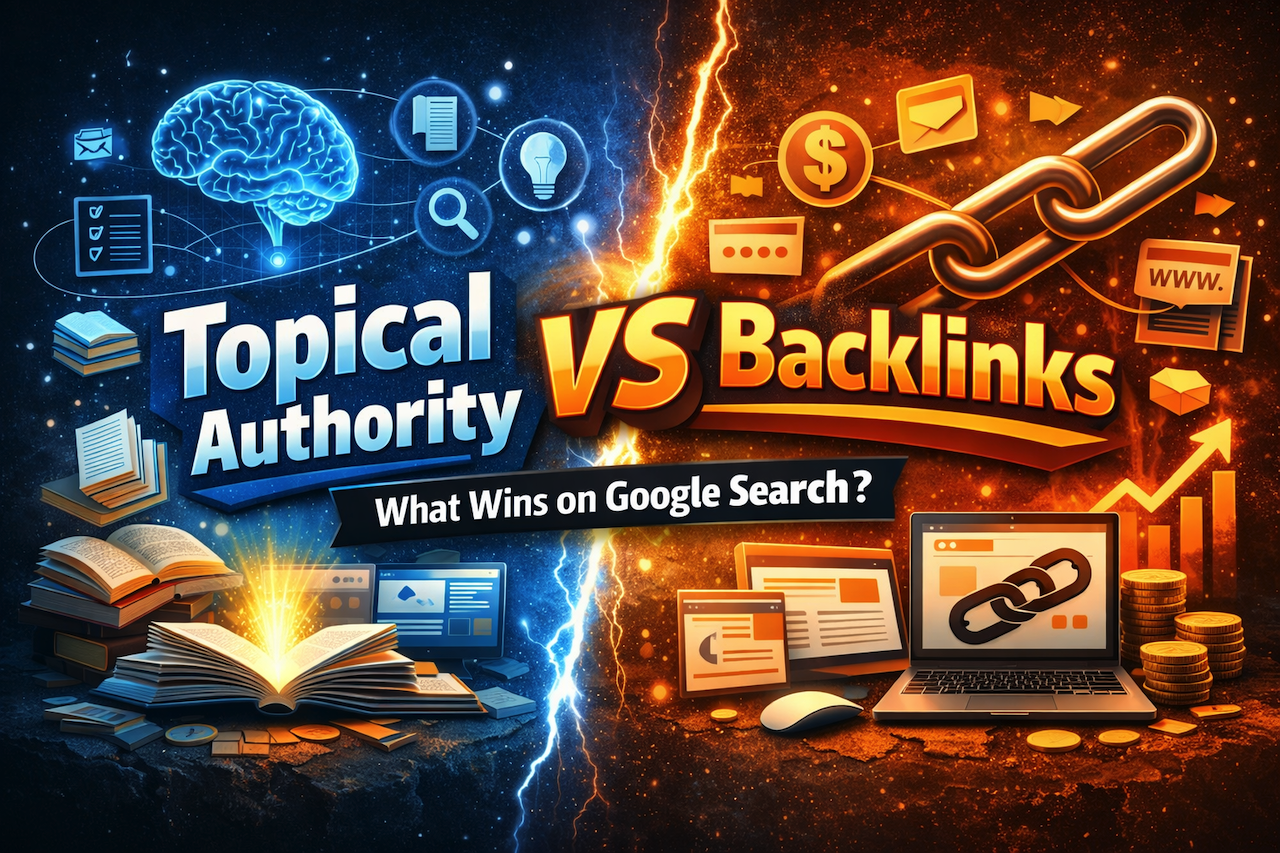
Over time, the SEO world has been governed by a simple gospel: more backlinks, higher rankings. Create links, gain links, purchase links (if you were willing to take that route), and watch your pages move up the search results. It was a straightforward, transactional relationship between effort and outcome. However, things are changing. Sites with smaller link profiles are now ranking above established authority domains. Content-rich sites with broad topical coverage are capturing SEO keywords they traditionally would not have ranked for under the old model. So what exactly is happening within Google’s ranking systems today, and what truly moves the needle?
Apr 13
2026

Search visibility is no longer just about ranking for a few keywords once a week. Modern SEO teams monitor local SERP changes, competitor movements, ad placements, featured snippets, and indexation patterns in near real time. That shift creates a technical challenge: how to collect accurate search data at scale without getting blocked, throttled, or served misleading results.