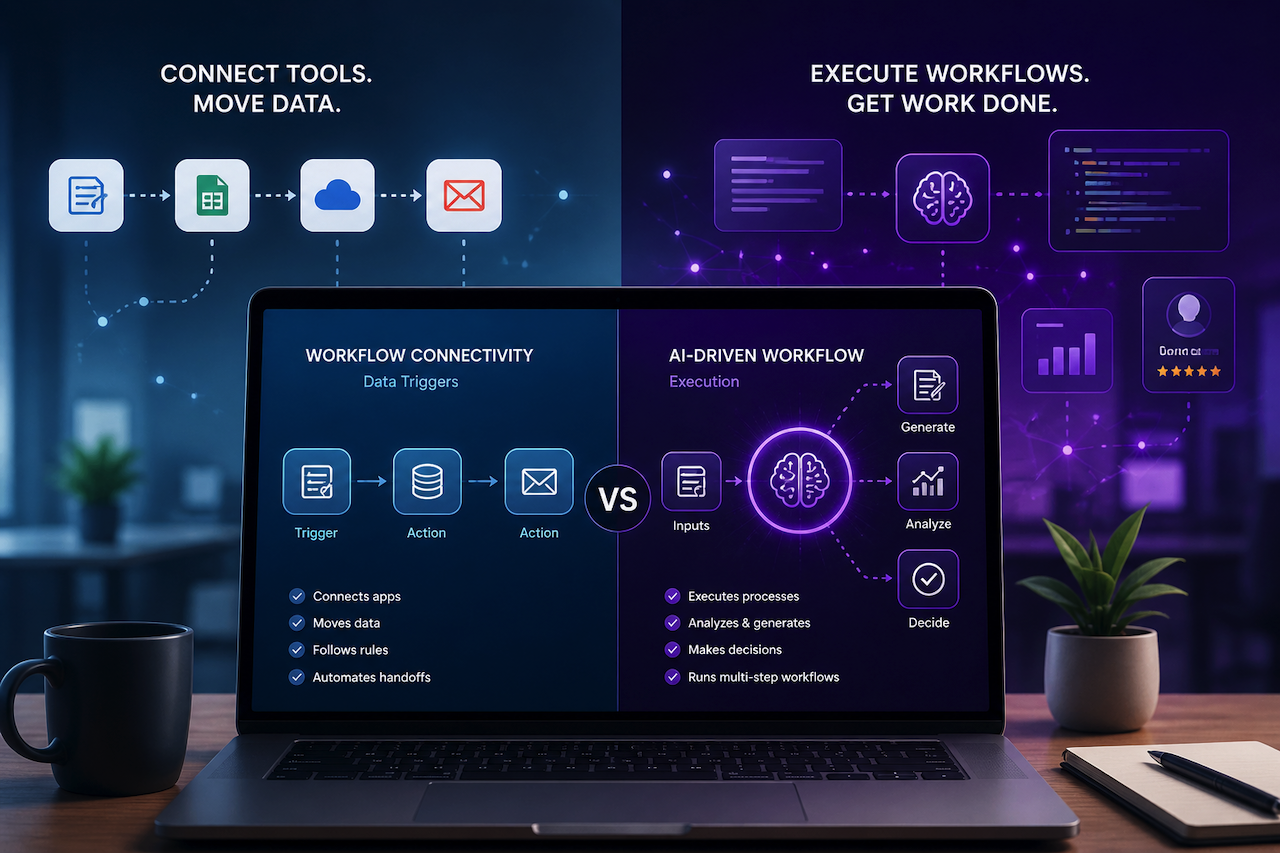
Both tools claim to automate your business. They mean different things by it.
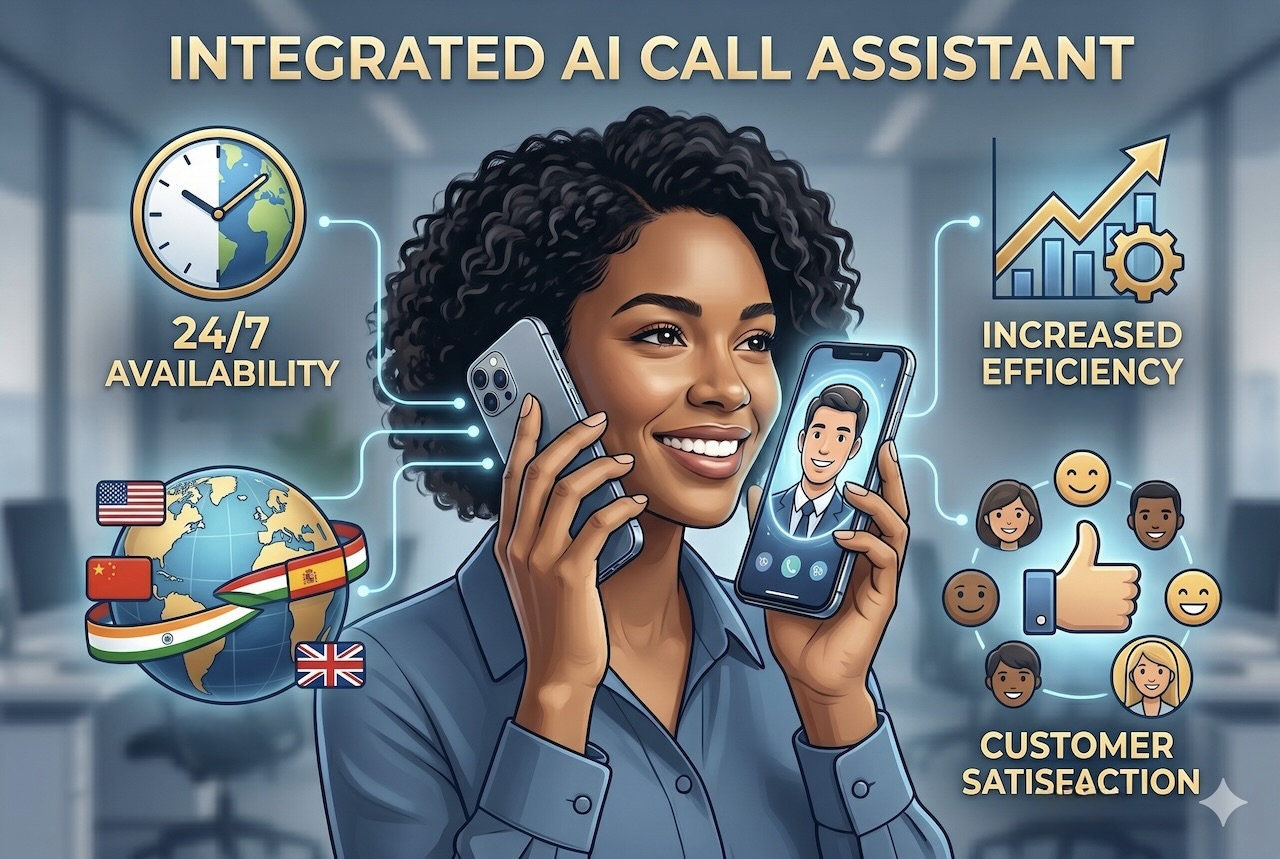

The benefits of calls with an AI Call Assistant include reduced costs compared to hiring staff, 24/7 availability and improved caller experience as well as customer service. An AI Call Assistant automatically records and transcribes each call, automates routine tasks and enhances efficiency within the company.
In 2025, a TopResume survey of hiring managers found that 80% of them would discard a job application they believed was fully AI-generated. Roughly one in five (19.6%) said they would automatically reject any candidate whose application got flagged by an AI detection tool. 81.6% reported they had already encountered AI-written cover letters in their inbox. The decision to flag, downgrade, or reject is now happening before a human even reads what you wrote.
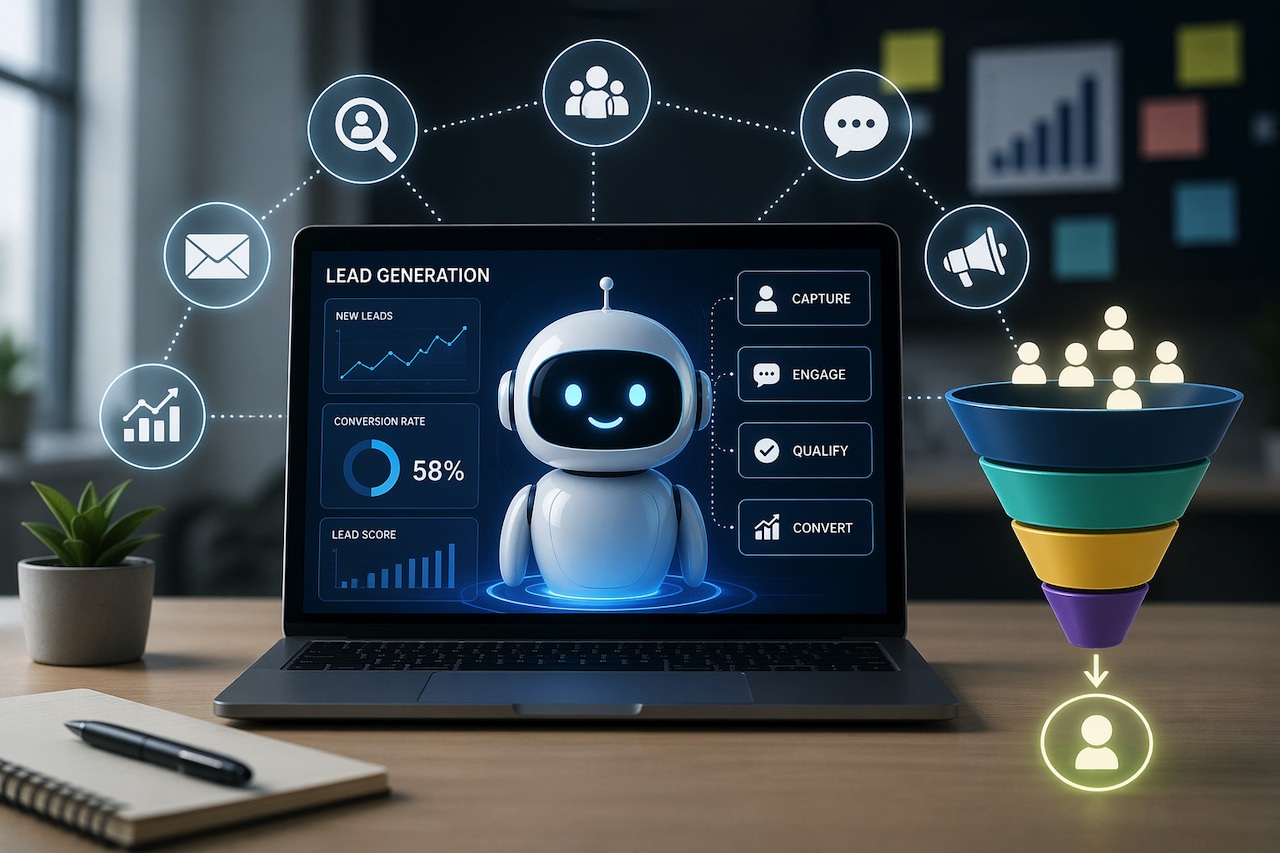
When a company faces the challenge of improving customer relationships, service quality, and lead generation, the advice that usually comes up is to integrate an AI agent.
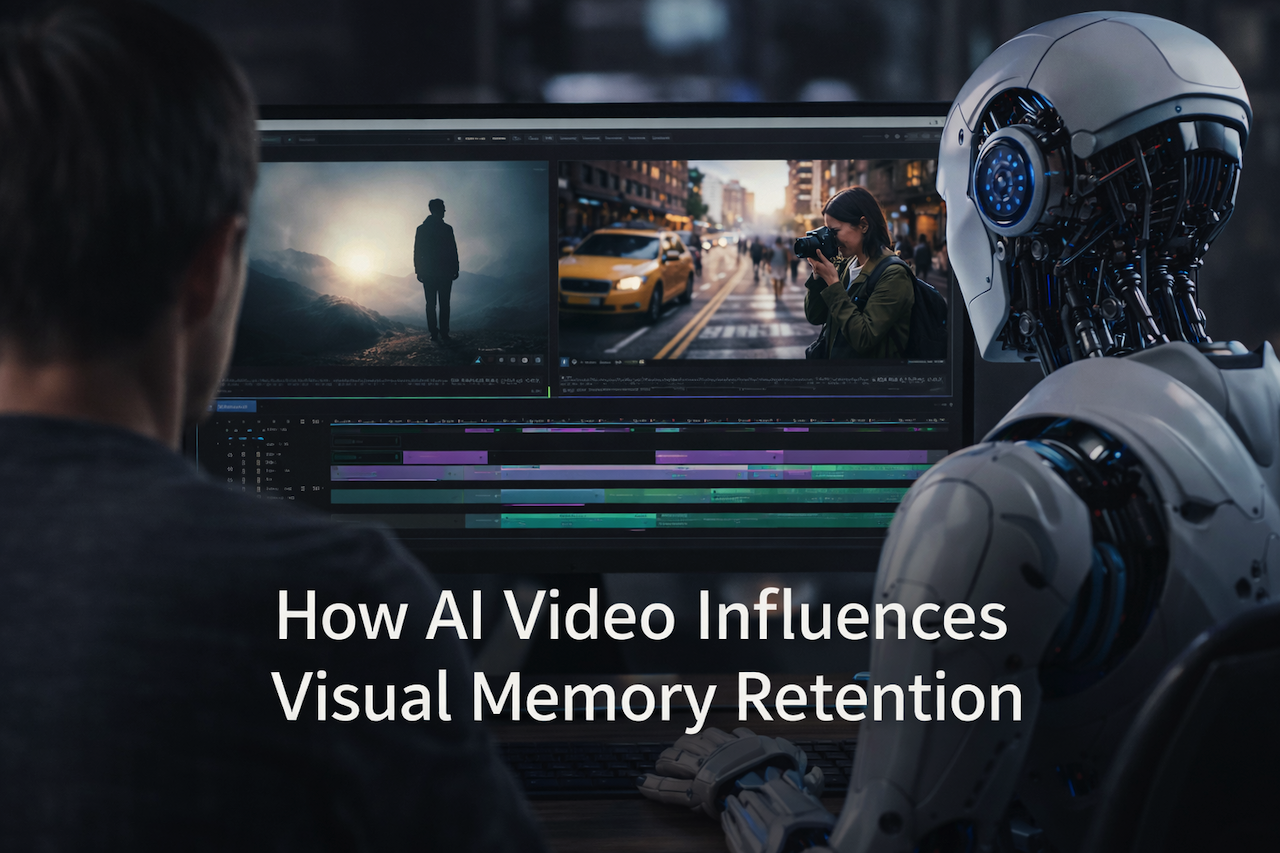
Not all content is remembered equally. Some visuals stay with us long after we have seen them, while others disappear almost instantly. This difference is not random. It is shaped by how information is presented, how it is processed, and how it connects with existing memory.
Originality has always been one of the most valued aspects of creative work. In digital media, original content was not just appreciated—it was expected. It represented effort, identity, and a distinct creative voice. A creator’s originality was often what set them apart in a crowded space. It defined recognition, credibility, and long-term value. That clarity is now starting to shift.
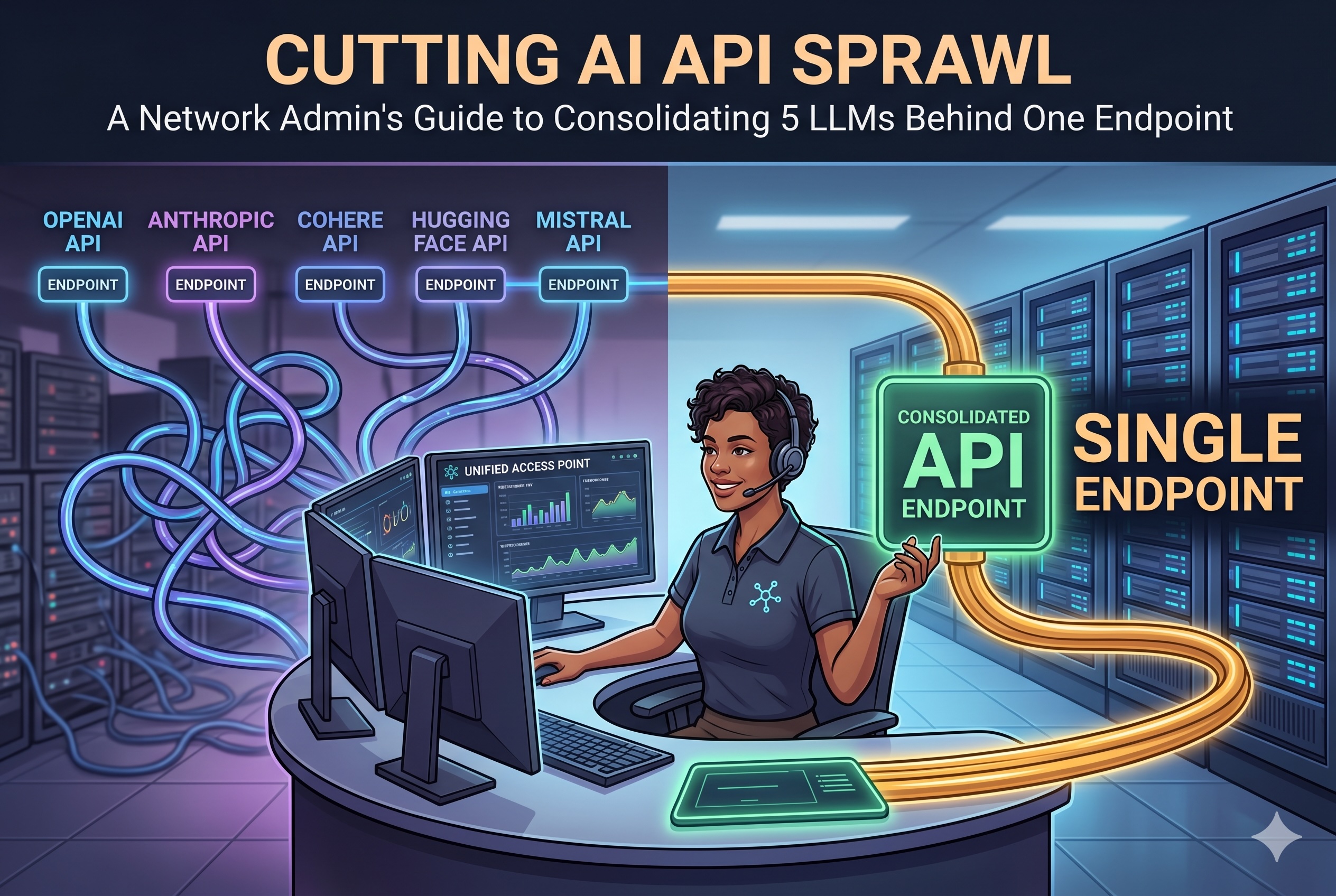
Six months ago, the engineering lead at a 40-person SaaS company pulled up a spreadsheet in our call. It listed five separate LLM subscriptions: Anthropic for Claude, OpenAI for GPT, Google for Gemini, and two Chinese providers for GLM and KIMI. Five billing cycles, five API keys floating in various .env files, five dashboards to check when a developer said "the AI is slow today." Nobody on the IT team could answer a basic question: which IP addresses are we actually calling from, and which ones need to stay on the allowlist?
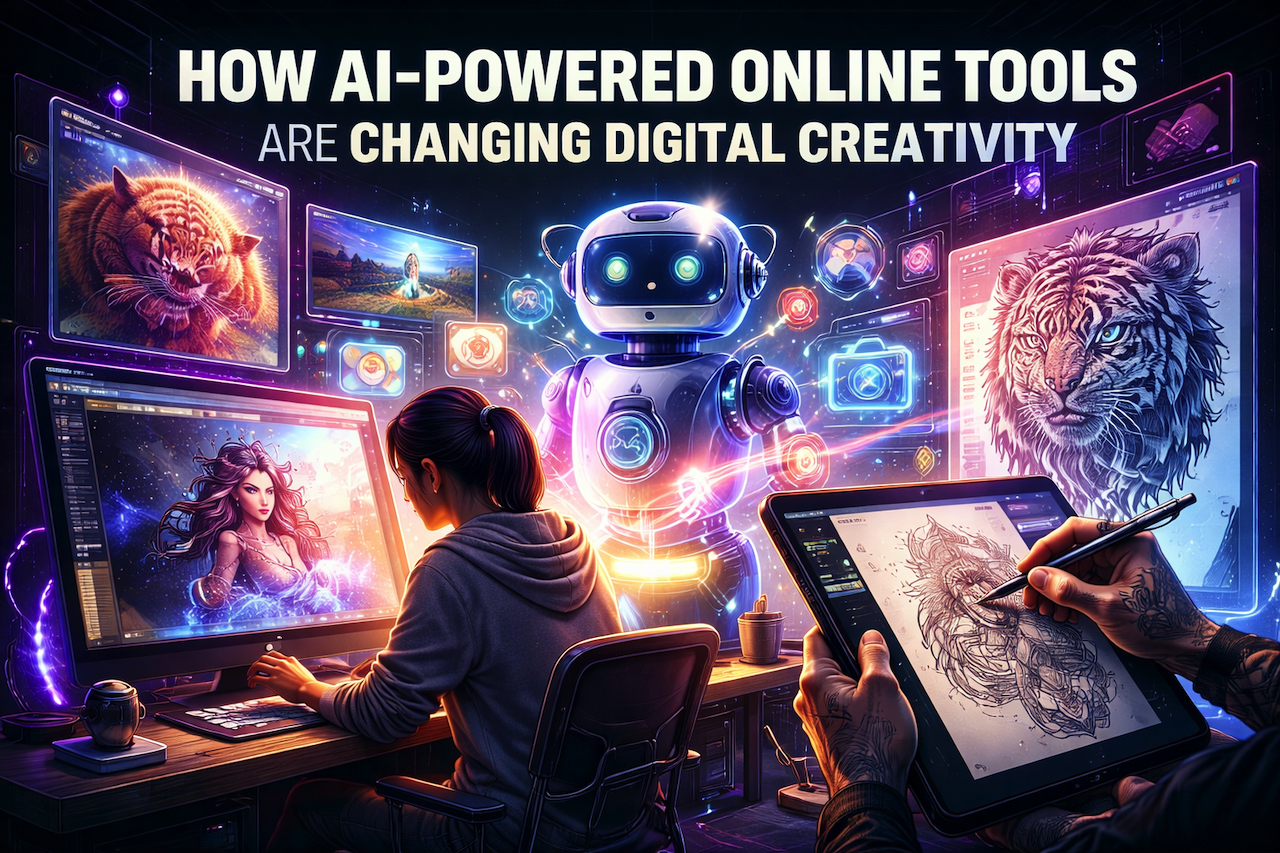
The creative process is now transforming rapidly. It's much determined and bolstered by the broader application of Artificial Intelligence (AI). Even though creativity previously required extensive knowledge and skills to bring ideas to life, creators now may not spend hours on manual work. They can obtain the same high-quality deliverables in a few clicks. Beyond saving time, AI solutions also improve accuracy and symmetry in designs. Both aspects are important, but sometimes, they are crucial, for instance, when professionals develop tattoo designs.
I will be straight with you. I have spent the better part of two years going through AI writing tools the way some people go through coffee: constantly, with diminishing returns, and always hoping the next one will be better than the last.
Modern digital systems generate more telemetry per session than most SaaS dashboards show in a week. Performance metrics, shifting configurations, periodic updates, and rankings that recalculate every few hours based on aggregated API data — the information volume often resembles a monitoring stack more than a simple application.